Monday, July 29, 2013

Connecting the Story - Honoring Elmer D Lauck, Vietnam Veteran


Last week I was in Washington DC for the Mission Possible workshop conducted by Model Classroom and the Pearson Foundation.  It was a thought provoking and emotional experience, including a day at the Vietnam Veterans Memorial listening to veterans share their stories.  


I don’t have a family connection to a name on The Wall but in the past have visited with others who do have a family member honored.  As we were preparing to visit The Wall last week, one of the teachers in our group mentioned that her first cousin's name is listed.  Leann shared an emotional story about her personal connection to her cousin.  She also mentioned that he is buried in Torrington, Wyoming.  This created a connection for me since my wife’s family is from Torrington and in fact I was flying back after the workshop to Torrington to rejoin my family who is currently visiting family.  


I asked Leann about her cousin and she had already located his name on The Wall using the app from the Vietnam Veterans Memorial Fund.  The app allows you to search for names on the wall by name, hometown, state, etc.  Her cousin’s name is Elmer D Lauck.  I took a picture of her screen showing the location of his name and later on our tour I took a picture of his name on The Wall.


After the conference I met my family in Torrington and today I decided to find Mr. Lauck’s grave in the Torrington cemetery.  I entered the cemetery and found the directory showing the location of the marker.  I drove up to the military portion of the cemetery and quickly located the grave of Mr. Lauck. His white marble military marker is located on top of a hill overlooking beautiful Wyoming pastures and in the shade of a large Cottonwood tree.  I placed a red carnation and a small American flag at the grove and paused for a few minutes before taking a few pictures.  


Last week at the Mission Possible workshop we focused on the importance of stories.  As I mentioned in an earlier blog post, the names on The Wall are just names if not attached to a story. Last week I touched his name on The Wall and today - over 1,600 miles away - I knelt by his grave and thanked him for his service to our country.  

These pictures are for Leann and her family.  Today as I visited it was peaceful.  There was a light breeze and in the shade of the Cottonwood the only sound was a slight rustling of leaves from above. Let them know that he is remembered and honored.

Wednesday, July 24, 2013

Mission Possible - Day Three at the U.S. Holocaust Museum

Note : This week I am participating in the Mission Possible Teacher Workshop in Washington D.C. The week is hosted by Model Classroom and Pearson.  The focus for the week is project based learning centered around learning opportunities in Washington D.C.  Projects will take place at NPR, the Vietnam Veterans Memorial Fund and the United States Holocaust Museum.

Today our workshop spent the day at the United States Holocaust Museum.  we have discussed some pretty emotional topics already this week - race in American society and the Vietnam War - and today would be emotional as well.

My last visit to the Holocaust Museum was nearly 15 years ago when I brought a group of high school students to DC.  I remembered my previous experiences and knew that the museum would make me once again consider terrible and unspeakable acts of human behavior.
We started our day at the museum with an introduction by Jesse Nickelson, Director of Youth and Community Initiatives for the United States Holocaust Museum - https://twitter.com/JesseNickelson

He said that we were not allowed to take pictures in the museum but he did encourage us to tweet as we walked through the exhibits and hoped we would use the hashtag #ushmm. It was refreshing to have a museum openly encourage you to use social media while visiting their exhibits.  Jesse later commented how much he enjoyed "following" our tweets as we took our tour and learned a lot about both what we as teachers found interesting, questions we had along the way and ideas for future lessons in our classrooms.Our theme all week has been stories.  On Monday we explored the art of interviewing and asking others to share their stories with you.  Tuesday we learned about the Vietnam War and memorial by listening to the stories of veterans who experienced the war first hand.  Today we were learning about the holocaust through the stories of the victims, the liberators and the bystanders.

The first image we saw as we started our tour was a photo taken at one of the concentration camps as it was being liberated.  It showed a group of burnt human remains with US soldiers staying in the background shortly after liberating the camp. It included a quote by Eisenhower and it really set the tone for the next two hours.  As I looked at that photo I asked myself how different this museum would be without photos.  What if the Holocaust had occurred in a time without any photographic evidence?  Would the story be the same with only text and sketches?  Would it have the same impact?  I could not help but think about the particular role that photos have in telling this story.  As I thought about more later, I think that part of the reason this story needs photographs is the sheer fact that some of these acts were so terrible it is hard to believe without any type of photographic evidence.


As I walked through the exhibits this time I also noticed that the some of the stories were even harder for me to read and hear, the stories of the children.  Fifteen years ago I was unmarried and had no children.  Today I walked through the museum and learned of these very personal stories through the lens of a husband and father.  What would happen if I was separated from my wife?  How could I have protected my children? 


A theme for the day was compliant.  Would we have made choices - sometimes risking a career, money or family - to save someone who was being subjected to a terrible fate?


The day was powerful and gave me a lot to think about, especially the importance of using visual resources whenever we can in telling stories.

Tuesday, July 23, 2013

Mission Possible - Day Two at Vietnam Veterans Memorial

Note : This week I am participating in the Mission Possible Teacher Workshop in Washington D.C. The week is hosted by Model Classroom and Pearson.  The focus for the week is project based learning centered around learning opportunities in Washington D.C.  Projects will take place at NPR, the Vietnam Veterans Memorial Fund and the United States Holocaust Museum.


Day two of the workshop featured a different venue but a similar thread from yesterday - the power of story.  Yesterday we visited NPR and learned about the skills of interviewing.  Today we visit the Vietnam Veterans Memorial on the National Mall in Washington.  Here the power of story will make a monument to the struggle of war speak.


I have visited the wall on previous visits to DC.  My first visit to the wall was as a high school student on vacation with my family.  I remember it was an emotional experience for my dad who was drafted to fight in the war but did not pass the pass the physical due to an injury.  He felt the guilt of not participating in a conflict which took the lives of so many of his peers. Almost 20 years ago I brought high school juniors to DC and we always made a point to visit the wall. The design of the monument is simple, almost demanding that emotion take center stage.


Prior to visiting the wall we were organized into small groups and assigned a Vietnam veteran who would speak with us and give us a tour at the wall.  My group was matched with Jerry Martin, a Marine who was awarded a Purple Heart and a Silver Star.  Mr. Martin spoke of his comrades and friends that he knew in Vietnam and now are names on the wall.  After spending an hour with Mr.  , who is a retired history teacher, I felt that I knew much more about the Vietnam War than I had ever experienced through a textbook.  The difference was the stories.  The stories behind the names.


Our various groups did some activities after our time with the veterans and one group asked people at the wall if they had any emotions in visiting the wall.  To everyone’s surprise, almost every person asked said they didn't have any emotions about visiting the wall.  For many people it appeared that visiting the wall was a just something to check off a list of things to do when visiting DC.  But here is the key - none of the people who said they really didn't have an emotional connection to visiting the wall had had a tour guide.  The difference again was the stories.  Without the stories the wall is just a list of names.


But as I reflect back on the experience at the wall today there is a bright hope for the future.  The Vietnam Veterans Memorial is currently in the planning and fundraising stages of a future education center.  This educational center will be a facility located next to the wall.  A place where people can go to build a connection to those names, through stories and experiences.  I can’t wait to come back in the future when more people walk away from the wall with a similar experience to the one I experienced today.  It was an emotional day and one that I will think of in the future every time I discuss the Vietnam War with students.


I also wanted to share an app that also helped me today as we visited the wall.  If you want to locate the name of a soldier on the wall there have always been books available in which you can look up the soldier via their last name.  The book then tells you the panel and line on which you can find that name.  But what if you don’t know the name of a soldier and instead want to see if anyone from your hometown is located on the wall? I used an app from the Vietnam Veterans Memorial Fund which allowed me to search not only by name but also by state and/or city.  This app allowed me to quickly identify the five soldiers from my home community of Liberty, Missouri who are listed on the wall.  A great example of how an app can provide real time information as you visit a location and how it can enhance your experience. Check out the app on the Google Play Store.


Monday, July 22, 2013

Mission Possible Workshop - Day One at NPR

Note : This week I am participating in the Mission Possible Teacher Workshop in Washington D.C. The week is hosted by Model Classroom and Pearson.  The focus for the week is project based learning centered around learning opportunities in Washington D.C.  Projects will take place at NPR, the Vietnam Veterans Memorial Fund and the United States Holocaust Museum.


Today was Day 1 of the Mission Possible Workshop hosted by Model Classroom and Pearson.  As I met the other participating teachers and facilitators I knew I was in for a great week of learning.  I think it is always a good sign when you sit down for breakfast at a conference and you see QR codes on the table along with the official hashtag for the week!  (The hashtag by the way if you wish to follow us around this week is #Mpossible - we will be tweeting as much as possible.)


We started off the day with some exercises to get to know each other - sketching the person next to you to break down the awkwardness of getting to know someone new and interviewing a person for the first time using only questions. We also created a six word story to introduce a new friend.  All of these activities had a purpose which would later be used in our mission later in the day.


We headed out to our next classroom for the day - the newly constructed NPR offices in Washington DC.  Once at NPR we listened to Michele Norris - host of All Things Considered and originator of the Race Card Project and the Back Seat Book Club.  Prior to Michele Norris visit with us we listened to several audio examples of her interviews.  


I had not heard of the Race Card Project prior to last week’s preparation for the conference.  If you are not familiar with the project I encourage you to check out the website. The project asks people to write down an experience they have had with race or cultural identity in just six words.  Initially some might ask what can be accomplished in six words but reading a few examples demonstrates the power of just those six words.


I started following Michele Norris on Twitter ( @Michele_Norris ) roughly a week ago in advance of the conference.  During our visit today I asked her about the impact that social media has had on the Race Card Project.  She responded that it has made a huge difference because it has given the project more visibility and allowed it to grow globally.


As Michele Norris talked about how she interviews individuals for her show, she said something that I have been thinking about the rest of the day.  She said that her most important skill as an interviewer is not speaking or asking questions, it is listening to the person she is interviewing.  She also wondered if listening should be a skill taught in schools.  That was a great point.  How much time do we spend in our classroom to truly teach students how to listen?  And how can we as teachers improve the way in which we listen to our students?  This will be something I think about a lot before the school year starts.


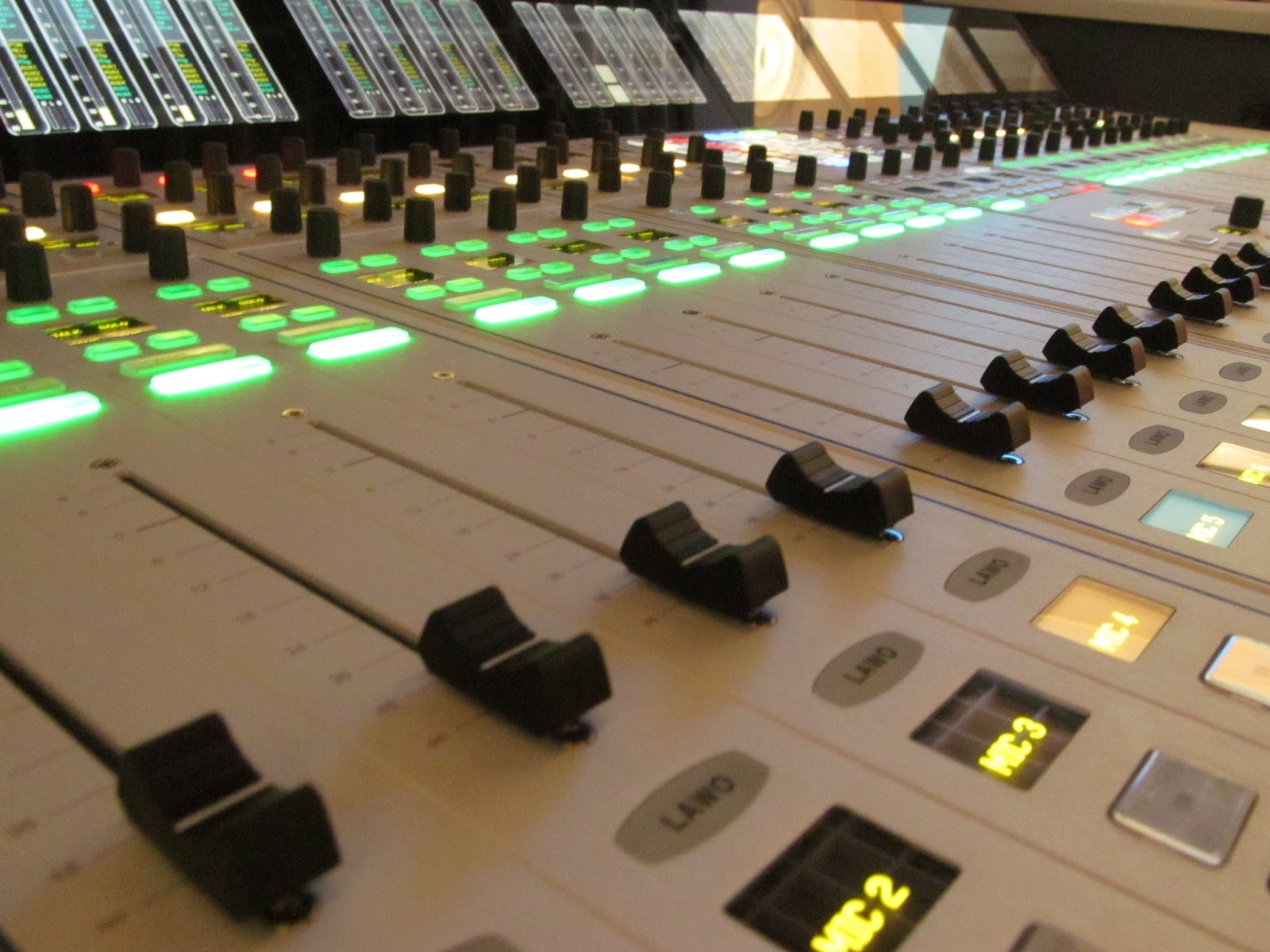
We finished our day at NPR with a tour of their relatively new facility.  As a self proclaimed geek it was fascinating to see the inner workings of such an iconic news agency.  I have had a podcast since 2005 and enjoy the process of editing and producing audio.  The control rooms and the studios had the latest technology.


Before we finished the day we had a final challenge to accomplish as a group : select a question centered on civic engagement and interview individuals on the street recording their responses with audio or video.  Our group selected to ask people about the recent Zimmerman trial and if there is something they hope changes as a result of the verdict.  As we split into pairs and asked people on the streets of DC we needed to thoughtfully think about how we would introduce ourselves, ask for their permission to record their response and then listen as they responded to our initial question. 

The activity was interesting because of the responses we received from five different groups of people but it was also about the process.  We had to move a little outside our comfort zone - something we ask our students to do everything and probably don’t think enough about when we do as teachers.  

Day one was a great experience of learning.  I look forward to another day of experiential learning tomorrow as we visit the Vietnam Veterans Memorial.

U.S. Capitol Photos with Historic Quotes by Lincoln and Jefferson

I recently participated in the 2013 C-SPAN Educators' Conference and was fortunate enough to stay at a hotel just a couple of blocks from the U.S. Capitol.  I took a couple of pictures of the Capitol that came out pretty well and wanted to share them here in case anyone else would like to use them. If you would like larger copies of the photos shown below you can access them as a Flickr set here.

The first photo I took in the early morning just after sunrise.  On this particular morning there was a little bit of weather moving into the DC area, just a little rain but not enough to ruin my walk.  It was early enough that there were very few people around the Capitol except for some Capitol policemen.  I then added a quote from Lincoln that I thought fit the theme of the C-SPAN conference I was attending.  I did bring the photo up in Snapseed on my i-Pad and tuned the lighting to make the clouds a little more dramatic than they appeared in the original photo.


The second photo I would like to share was taken of the Capitol at night.  The Capitol dome at night has such an amazing glow.  I took this picture with some open night time sky to the side with the thought that I would add some text later.  I added a quote from Jefferson that again I thought fit the theme of the C-SPAN conference.


Thursday, May 23, 2013

Field Trip App - Discover History All Around You


One of the aspects of being a history teacher that I love is that history is literally all around you.  No matter where you are, the place where you are standing has a history waiting to be discovered.  The only drawback is that it often takes a considerable amount of time and effort to uncover that history.  That is where the Field Trip app saves the day.

I have had the Field Trip app loaded on my phone for a while but hadn't really taken the time to take it for a spin.  (The Field Trip app is available for both Android and iPhone). This past week I was in Washington DC working on a project with Cable in the Classroom and thought it would be a perfect time to fire it up and see if I could discover some interesting things while I explored DC.  I found it to be very helpful and provided one of the highlights of my trip.


The Field Trip essentially determines your location and then provides you with interesting tidbits relating to that area.  You can turn on a variety of layers - most of the layers that I have selected fit my interests of history and architecture.  Some of the other topics that appear are offers and deals, food and drink, cool and unique, etc.  Notifications appears showing information, links and photos.  You can customize the settings to fit your needs.

I enjoyed using the app throughout my stay in DC including reading up about the history of Reagan National Airport while waiting for the Metro (I didn't know that the the airport is on the former Abingdon plantation owned by the Custis family with ties to George Washington) and it helped me find a great place to eat near DuPont Circle (the short ribs at Circa were awesome).  The most unexpected and surprising moment came as I walked back to my hotel at the end of the day.

I was staying in the Washington Hilton - a really nice hotel but it doesn't scream historic location because it is rather modern.  As I walked up the hill toward my hotel I saw that Field Trip had an entry for the hotel under the layer provided by Open Buildings.  As I read through the information I saw something which grabbed my attention - the hotel was the location of the 1981 assassination attempt on President Reagan.  I remember the assassination attempt well.  I was 10 years old and can still remember watching that clip over and over again on the news of the secret service throwing themselves on Reagan to protect him and then shoving him in the car to get away.


On my phone I pulled up the Wikipedia page on the assassination attempt and found the images taken as Regan waved to the crowd and then the aftermath after the shots were fired.  I had walked by that location earlier in the day when I checked in and had no idea that the event had taken place on that spot.  There were understandably no signs and markers on the spot, it would be odd to commemorate a failed assassination attempt on your property, but it is an important part of American history.  I asked the bellman at the front desk about the assassination attempt and he provided me with a little additional information about how a flower bed had been added on part of the sidewalk since 1981.  The next morning after breakfast I went out to the location of the failed assassination attempt and took a few pictures.


As a history teacher, this little historical tidbit made my day.  I would have never known about it without the Field Trip app and I would have walked on by while missing a chance to discover the importance of that location.  Theses examples are just a few of many times during the day that I felt lucky to have Field Trip on my phone.

My head is also spinning about the potential of not just using Field Trip but also creating content for Field Trip with my students.  I will be investigating if my students could create a layer for Field Trip with historical photographs from around our community of Liberty, Missouri.  Students would enjoy helping build content which could then be enjoyed by a larger community.  


Tuesday, February 26, 2013

Forget the snow, I'm presenting today anyway!

Hello from snowy Liberty, Missouri.  Last week we had about 8 inches of snow and last night we added about another foot on top.  The recent snowstorms have resulted in additional snow days and canceled a couple of conferences that I was scheduled to present sessions at this past week.  Tomorrow I was scheduled to present a couple of sessions at the 2013 KCPT Education Conference but mother nature had other plans.  

My presentations were ready to go so I thought I would use some of my "snowday time" to create a screencast of the presentation and post it online using Screencast-O-Matic. The presentation I decided to record is the "Great Sites and Apps for Teachers" - a 50 minute run through 50 great sites and apps that teachers might find helpful.  I have a site with links to all of the apps and sites listed in the presentation.

You can check out the site for the presentation at www.ericlanghorst.com/bestsites and watch the presentation in it's entirety here.  Please let me know if you have any questions or comments! 


Sunday, December 09, 2012

2012 Google Teacher Academy - At the Googleplex in Mountain View


This blog post is being typed from 10,000 feet somewhere over California as I fly back to Kansas City after an amazing couple of days at the 2012 Google Teacher Academy in Mountain View.  My head is still spinning at my flight left a couple of hours late due to mechanical issues.  I'm due to get home around 1 AM but I'm excited to be teaching tomorrow and I'm pretty sure that I will still be running on Google adrenaline.  

The last two days at the Googleplex have been specially tailored to geeky teachers and all of the members of this Google Teacher Academy class soaked in every minute.  Several teachers that I consider friends have attended past GTA's and they all told me the same thing - it will be some of the best professional development you have ever experienced and you will meet incredible people.  I have to admit that after hearing that repeatedly that I was almost afraid that it would be almost impossible to live up to the lofty expectations.  In the end as I left today it did not meet those expectations, it exceeded them.

I'm sure that in the coming months I will do some things differently in my classroom as a result of an idea or tool that I learned at GTA and it will impact how I teach in the future.  Tonight while everything is still rattling around in my head I thought I would reflect on a couple of big picture takeaways for me in three areas - 1) Tools, 2) the Google culture, and 3) the GTA network.

1) Tools - I started to title this section "Google Tools" but that really wouldn't be accurate.  We didn't spend all of our time discussing tools exclusive to Google.  Instead we discussed the "best tools" to meet our needs as teachers in our classroom. True, in many cases we focused on Google apps and tools but we also discussed a ton of resources not connected to Google.  We had app slams and discussions where we we are shared what has worked for us and our students.  I have a list of notes that will take me several weeks to process and many new things to try out.  In my application I stated that one of the reasons that I wanted to attend a GTA was to become more proficient using Google apps.  I use quite a few Google apps on a regular basis but I wanted to learn some of the tips and tricks to kick it up a notch and I did, now I just have to remember them and use them on a regular basis.  I recently purchased one of the new Acer Chromebooks and am currently learning how to live more truly in the cloud and there were some great discussions on apps and extensions.  My toolbox definitely got heavier as a result of the GTA.

Next steps for “Tools” - I will take the time to check out all the apps, extensions and scripts.  There is so much out there for me to learn and I plan to present a variety of workshops and PD sessions for my staff about how we can all become more efficient in using these tools.

2) Google Culture - This is probably the thing I was most curious about prior to attending.  I have long been intrigued by Google and the history of the company.  Several years ago I read The Google Story by David Vice and Mark Malseed and I am currently almost 80% done with In the Plex: How Google Thinks, Works and Shapes Our Lives by Steven Levy.  Everyone has heard about the Google culture - the 20% time, the relaxed campus atmosphere, the amazing meals prepared on campus in the Google cafeterias, etc.  I feel extremely lucky to have been chosen for a GTA that was hosted at the Googleplex so that we could experience a little of this culture.  Again, I thought maybe some of this was more urban legend than actual practice but it was all true.  The campus is colorful, playful, visually appealing, accommodating the staff and quite honestly might be one of the most amazing places to work on the planet.  We saw people riding bikes to get from one building to another part of the campus.  People bringing their dogs to work and walking them on the grounds at lunch. Office buildings with bowling alleys, rooms for massages, heated Japanese toilets in the restrooms, tech help stations and every possible feature to help people focus on their job and being creative.  It would truly be a great environment in which to work.  

There is one example of “Googleness” that I will always remember from the past couple of days.  Shortly after receiving our Google Certified Teachers pins we were honored to have a Google executive drop by to say a few words.  Google Chief Financial Officer Patrick Pichette visited with us for about a half an hour, describing his role at Google and answering our questions.  He talked about thinking of doing the impossible and attempting only those things which can eventually be scaled to a billion people.  The line that resonated with him was Pichette saying “you must have a healthy disrespect for the impossible”. His time with us was inspiring and served as a pep talk to go out and do great things.

Next steps for “Google Culture” - I want to find more ways to both inspire my students and eliminate barriers to their success.  I can’t provide free unlimited food or corporate perks but I can make my room as inviting as possible and make sure they have all the tools they need to succeed.  I would also really like to implement a type of “20 percent” program in my class to allow my students time to really explore their passions related to history.

3) GTA Network - One thing that really impressed me about the other 60 or so participants is the amount of interaction that took place before the GTA event.  Literally within hours of receiving our invitations to GTA people were communicating via Twitter and creating Google docs to organize hotel reservations and transportation.  We created circles on Google+ and had video hangouts with our team members and lead learners to get to know everyone.  By the time we met in Mountain View we already "knew" each other and had laid the foundation for a network.  Many of us stayed in the same hotel, freely shared rides in rental cars and continued our geeky conversations late into the evening over our beverage of choice.  Call it what you like - friendship, community, etc. - but it is really a network of people that we can e-mail or tweet in the coming months when we get stuck and are looking for an answer.  I think it also extends beyond just our class and we have all adding significantly to our personal learning network as a result of the previous two days.  We are all required to come up with an action plan - I will try to blog specifically about my action plan at a later date - and we will stay in contact to help each other as we complete our plans.  As a side note, hasn't the introduction of social media been a great gift to teachers?  I used to go to a conference and have great conversations with someone but then have very little contact with them after the conference because we didn't live in the same area.  Today we add people to our Twitter lists and keep in touch, extending the conversations.

Next steps for “Networking” - The great thing about social media is that the interaction among the teachers at the Google Teacher Academy will only continue.  In fact, we are still sharing tools and asking questions of each other on Twitter.  With tools like Google Hangouts we can get together and collaborate at any time.  We are all writing and working on actions plans to carry out after the GTA and knowing we can bounce ideas and suggestions off each other will help.

That is about all that I can process tonight.  I will try to post more specific tips and applications of what I learned in the coming weeks.  Christmas break might be a great time to decompress and work with the tools. It was an amazing couple of days and I want to thank Google and all the coordinators and lead learners that made it possible.  I appreciate all the behind the scenes things you have to do to facilitate a conference with 60 teachers. Everything was so smooth and they treated us with respect and professionalism.  Right now I'm still up in the air somewhere over the Midwest but in about seven hours I will be back in my classroom and as a result of the past two days at the Google Teacher Academy I think I will be a better teacher.

Tuesday, August 07, 2012

Watching the Curiosity Rover Landing With Friends on Twitter


Sunday night I talked myself into staying up for the live coverage of the Curiosity rover landing on Mars.  I was up watching the Olympics anyway so why not stay up until 1:00 AM to see a little history.

I started up my Twitter feed and started watching the tweets about Curiosity.  Some were using the #NASAsocial hashtag and others were sharing links to websites with videos and information about the rover.  Some were commenting on the hairstyles of the engineers in the JPL - it was sort of like watching it with a group of friends at a local bar.

A tweet came across mentioning watching it live on the NASA app so I downloaded it on my iPad and started watching the broadcast live while I followed Twitter on my phone. It was educational.  It was historic. It was fun.

I know a lot of people that don't get Twitter.  My dad is one of them.  I have tried to explain it to him and he has tried to understand but he still doesn't really see how it is productive.  I was one of those people before I jumped in about 5 years ago and it started to click with me.  It doesn't really bother me when other don't get Twitter.  In fact, a part of me thinks it might be better if everyone doesn't get it because it would probably be less productive in some ways. 

For me, however, this little network of people that I talk with on Twitter and share ideas with does matter to me.  It means a lot to me and it has changed the way I think and experience things.  I watched a historic event on Sunday that I could have watched by myself but instead watched with others and it was a richer experience on Twitter.

After all the cheering and high fives at JPL calmed down, a tweet came across my Twitter feed.  I'm sorry that I didn't favorite it at the time but I thought about it a lot as I finally went off to bed for the night.  Someone said that it was interesting to see the difference in Facebook and Twitter.  During the Curiosity landing their Facebook feed was crickets and their Twitter feed was a party, hopping with comments and information.  I thought about that comment a lot since.  Twitter is something different. I'm sure that Twitter will exist in a completely different form two years from now so it's not about the tool but it is about how we are using the tools to share.  

Thanks to everyone who shared the moment with me as we all cheered a rover touching down over 350 million miles away and the men and women who made it all happen.  It was something I'll remember for a long time and it reaffirmed my belief in the power of Twitter.

Wednesday, August 01, 2012

My Six Goals for the 2012/13 School Year

A couple of years ago I wrote a blog post at the start of the school year with several of the goals that I wanted to focus on during the upcoming year.  I'm doing the same this year as we turn the calendar over to August and the first day of school is less than two weeks away.  The first day for Liberty School District students is August 15th.  I think it helps to write down your goals, it adds a dimension of responsibility.  I could probably come up with a list of about 100 goals but these were the first six which came to mind as I sat down to write this post.  This will be my 19th year in the classroom and I want it to be the best ever!

1) Learn names of students quickly

This is a huge one for me and those that teach with me and know me are aware that I struggle with names.  I appreciate the power that occurs when you see a student in the hall and call out their name to tell them good morning.  I struggle with this often and it is not just students, I also struggle with remembering the names of adults and coworkers.  In the past I have taken pictures of students on the first day and made flashcards but it hasn't made a huge difference in my ability to remember names.  Last year I had around 170 students and this year I will likely  have about the same or more.  I am open to any tips that other teachers have used in the past to help with similar problems.

2) Reduce the amount of paper used in my classroom

I don't think it is realistic for me to go 100% paperless since we are not a 1-1 school and I can't guarantee that my students will have online access at home.  I do think that I can be a little smarter about making copies for my students and what is important enough to print a copy in the first place.  I think I can identify times when I can print a class copy of 30 and reuse them throughout the day in each period instead of giving each student a copy.  I have also played with the idea of asking students if they would rather not have me give them a printed copy and instead e-mail them a copy or just make sure there is a digital copy on our class website.  I don't have data on the amount of paper I have used in the past but will try to keep track this year and see how much we use.

3) Connect my students with outside experts on regular basis

I am a big fan of using video chats in the classroom like Google Hangouts and Video Skype and over the past five years have used this resource in my classroom with authors, other classes and museums.  I want to really step it up this year though and make it so that it is more of a common event in our classroom. I think the power to connect with outside experts for free is underutilized and is something I want to do more of this year.

4) Include contents of entire unit online

I try to post a copy of all our resources, assessments and links on our classroom webpage so that students can access it 24/7.  This is also very helpful to the special education teachers and paras that I work with so they can access it.  I also receive e-mails from teachers throughout the year asking for copies of notes, lessons and handouts via the webpage. I'm pretty good about getting all these things posted but there are times it doesn't happen 100% of the time.  This year I want to try and get closer, if not reach, that 100% mark.

5) Transform my iPad into my take home computer

For the past several years when I pack up to leave school for home, I throw a way over filled backpack over my shoulder and then I pack up my full size laptop and carry that home as well.  Many nights it is probably at least 30 pounds of stuff that I drag home. This is ridiculous and it needs to stop.  This year I hope to leave my laptop at school unless there is a special project that uses a program I can only use on that device.  I have had an iPad for about a year and half and I use it a lot at home but mostly as my "couch computer" - check a little e-mail, catch up on Twitter, read some news or watch a YouTube video.  I have tried to really adapt to typing on the touch screen but I guess in that regard I am still a child of the 80's.  I recently bought a wireless keyboard to make it easier for me to type more and so far I've been really happy with it. I'm using it right now in fact.  So this year I hope to just bring home my iPad and a light backpack most nights.

6) Work more efficiently, work smarter

I tend to take on too much and try to do too many things.  This year I will try to focus on doing the best I can in the classroom but being more efficient about it. One of the pitfalls of teaching is that there is always more to do and if you try to do everything you will go crazy.  I want to find ways this year to be more efficient with my time. There are some things I can have my students do in class which will eliminate me from spending an hour or two doing the same thing.  The important aspect of this is not doing less, but rather doing the same or more in less time by being smarter about how I use my time.  I need to devote a little of my time in the afternoon to working out and taking care of myself physically.  

These are my goals for the 2012/13 school year.  Will I accomplish some of them or all of them?  I don't know if I don't have a goal I'll never know.  I will try to give myself a grade on each of these areas during the winter break.  

Do you have a goal for the upcoming school year?  If you do please share with a comment to this post.  Thanks.